Londor
Solo Project ● Unreal Engine Block-out
FULL Playthrough
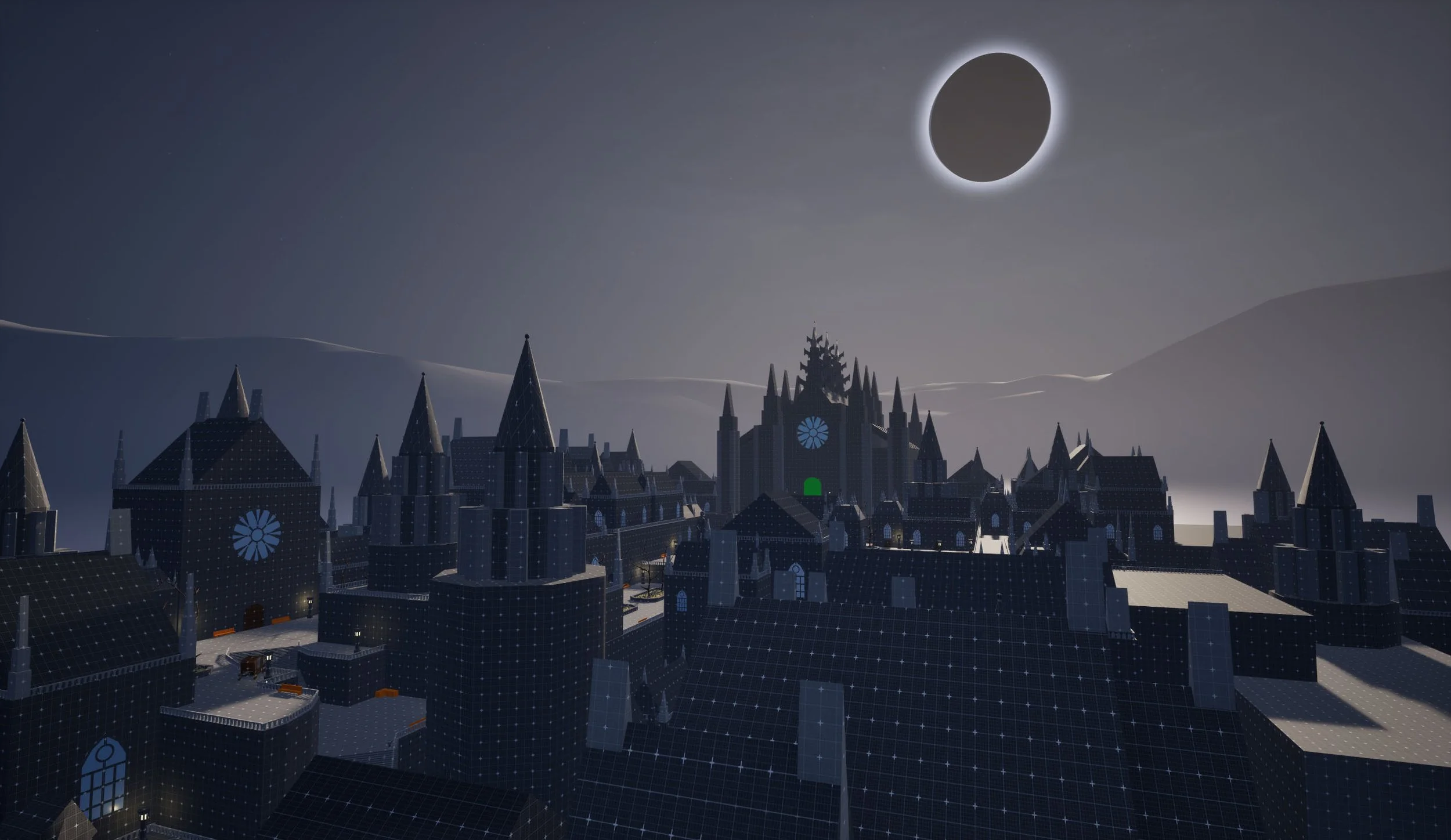
About the Level
Responsibilities: Designed, scripted, sequenced, iterated on, and playtested a DLC level for Dark Souls III based on the story location, Londor.
Software Used: Unreal Engine 5.7, Photoshop, Illustrator, Perforce, Miro
Asset Packs Used: Essential Great Sword Animation Pack (player animations and animation blueprint), Boss Enemy Animation Pack (strong melee enemy attack animations), Ultra Dynamic Sky (skybox)
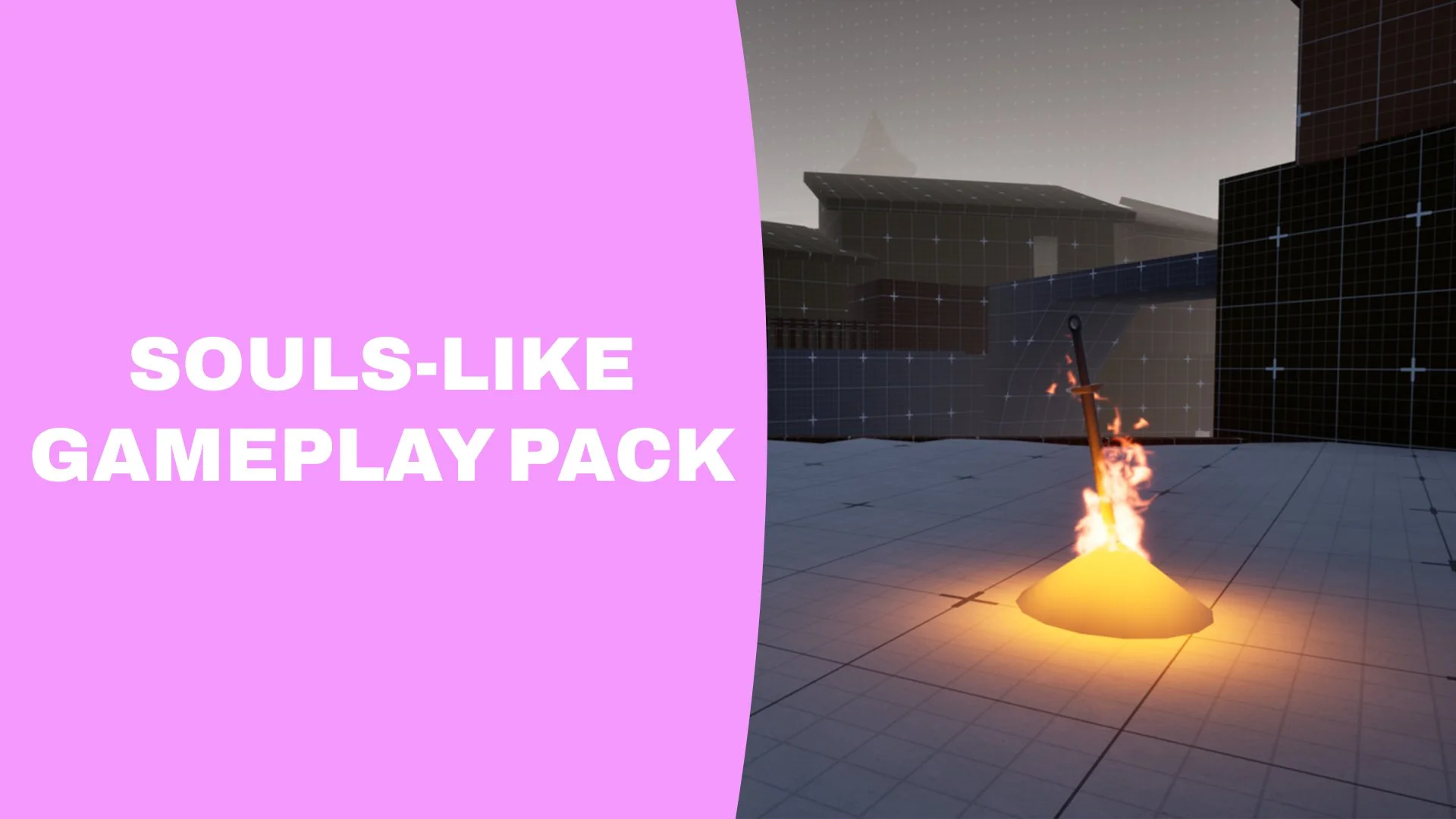
Designed and scripted a custom gameplay pack from scratch
~24 minutes of gameplay with varied pacing and combat encounters
Design Intentions
Create a DLC-style level featuring numerous combat encounters, multiple unique settings, and a side quest that alters the level ending
Improve scripting, in-engine modeling, and level sequencing skills
Use composition to create visually striking moments throughout the level
Design a boss and arena that fit the level’s aesthetic and complement the gameplay template
Develop a storyline that fits the themes of Dark Souls III and communicate it through gameplay, environmental storytelling, and NPC dialogue
Replicate the feel of Dark Souls III by scripting a full gameplay template from scratch, including enemy AI, player/enemy damage systems, item pickups, and spell casting
Layout and Area Breakdown
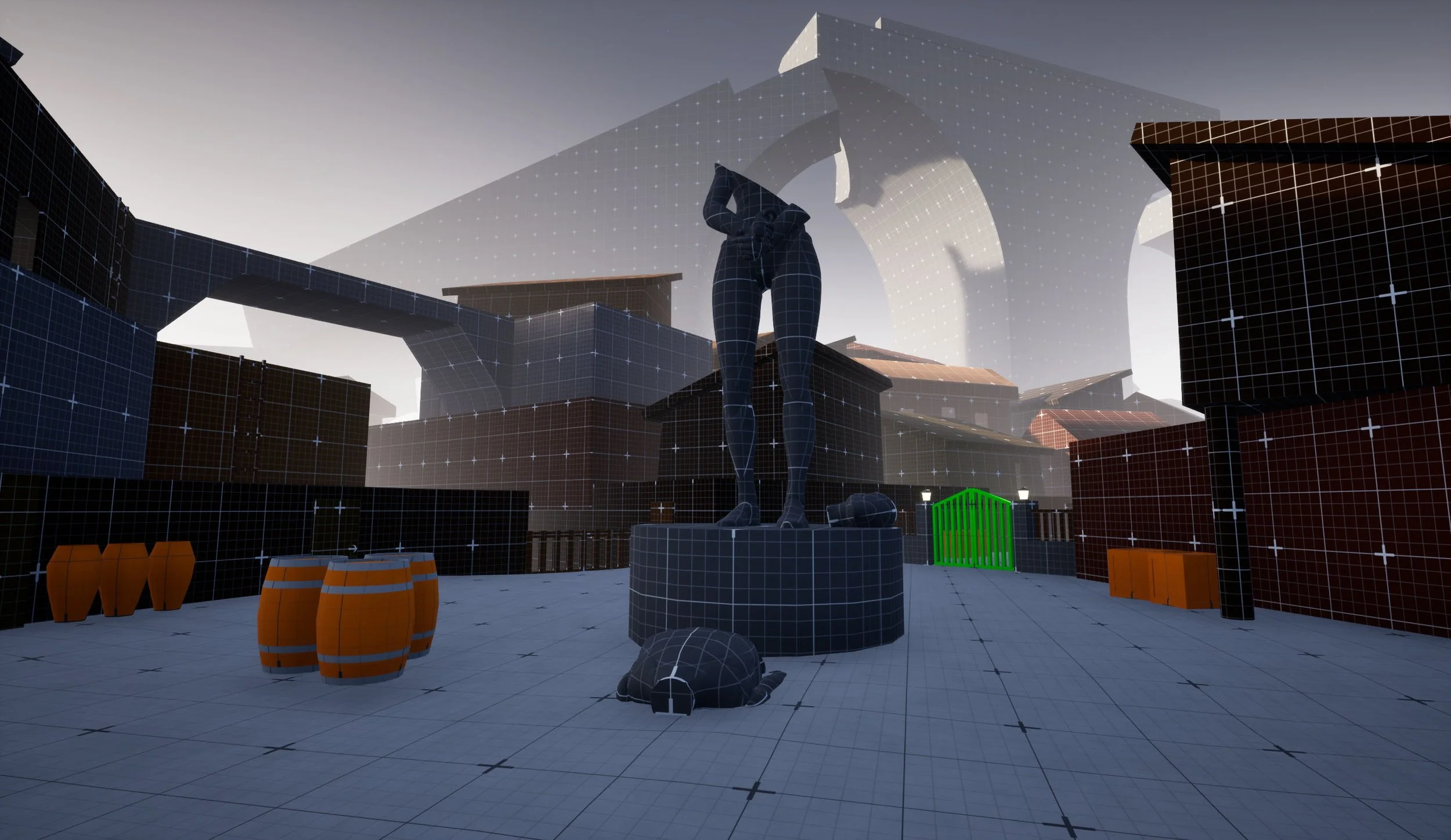
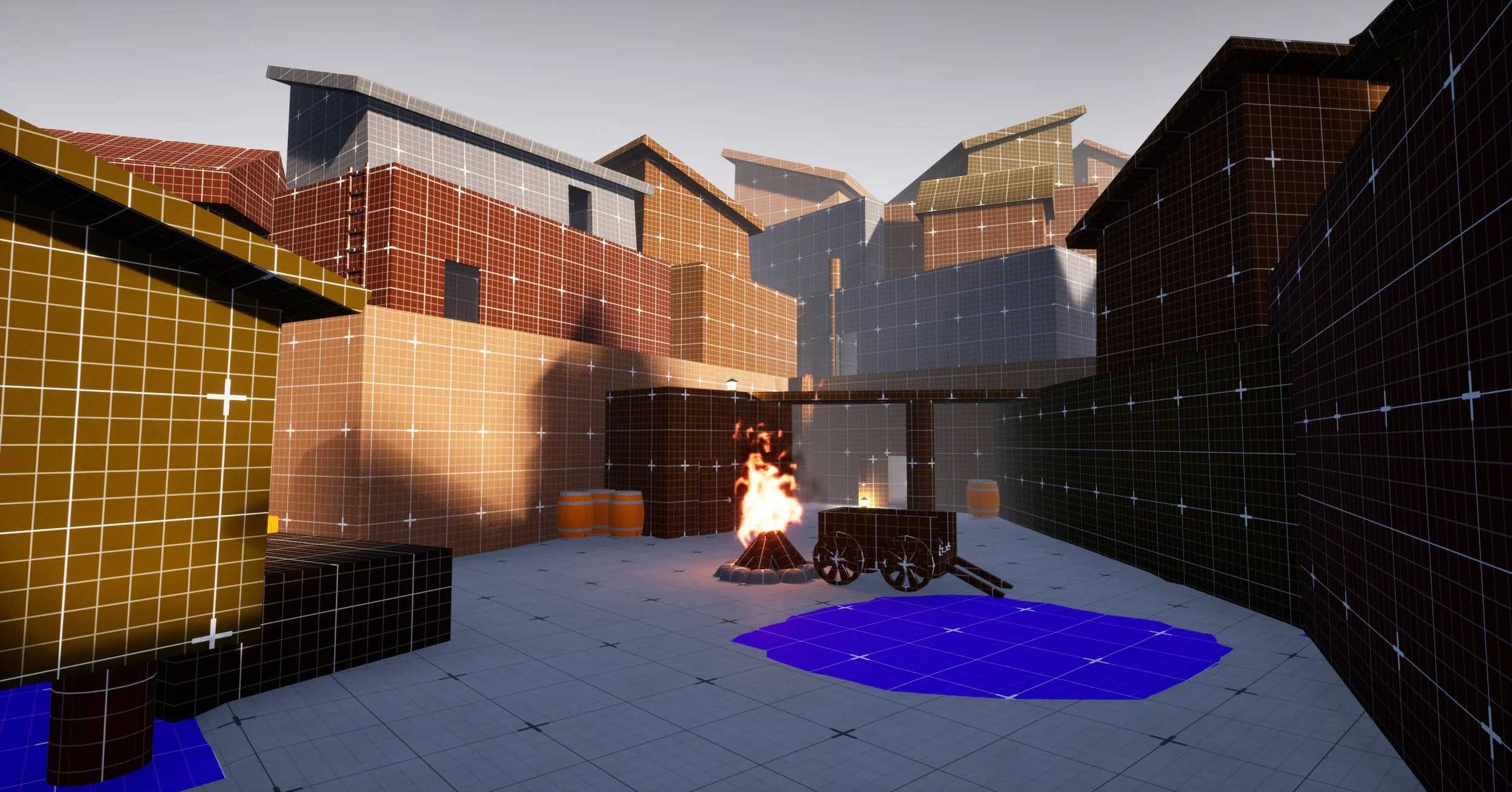
Area 1 - Hollow village
Pinching
Spaces compress before encounters and expand during combat to control pacing and movementShortcut Door
A shortcut door reconnects the critical path to a previous bonfire, rewarding progression and reducing backtrackingPoison Pools
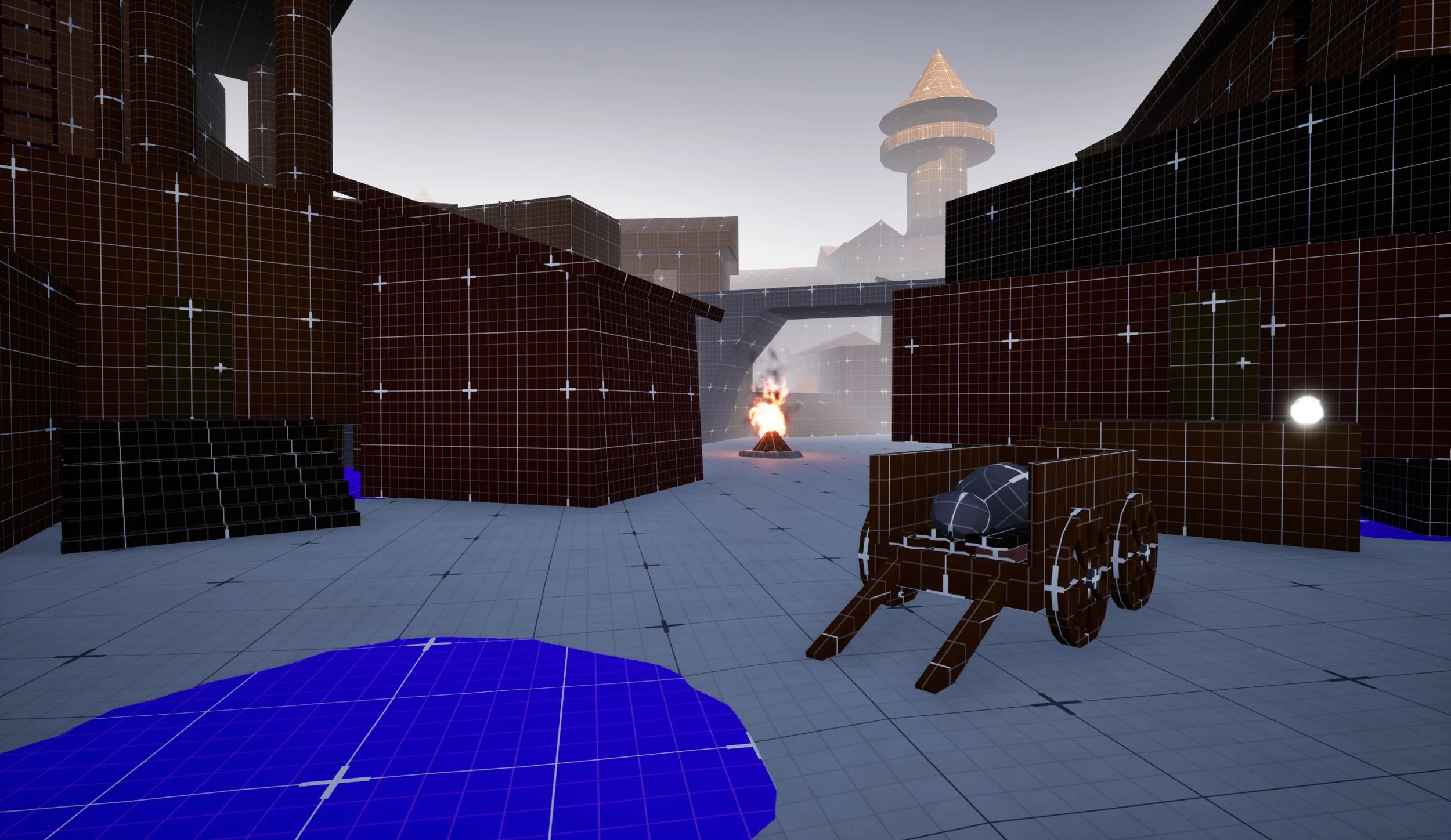
Small poison hazards introduce the mechanic and foreshadow the upcoming swampOptional Paths
Side paths with item pickups encourage explorationBlocked Spaces
Fenced-off areas extend the village’s perceived scale without increasing gameplay scopeBuilding Layout
Stacked structures create verticality while reinforcing the decay present in Dark Souls III
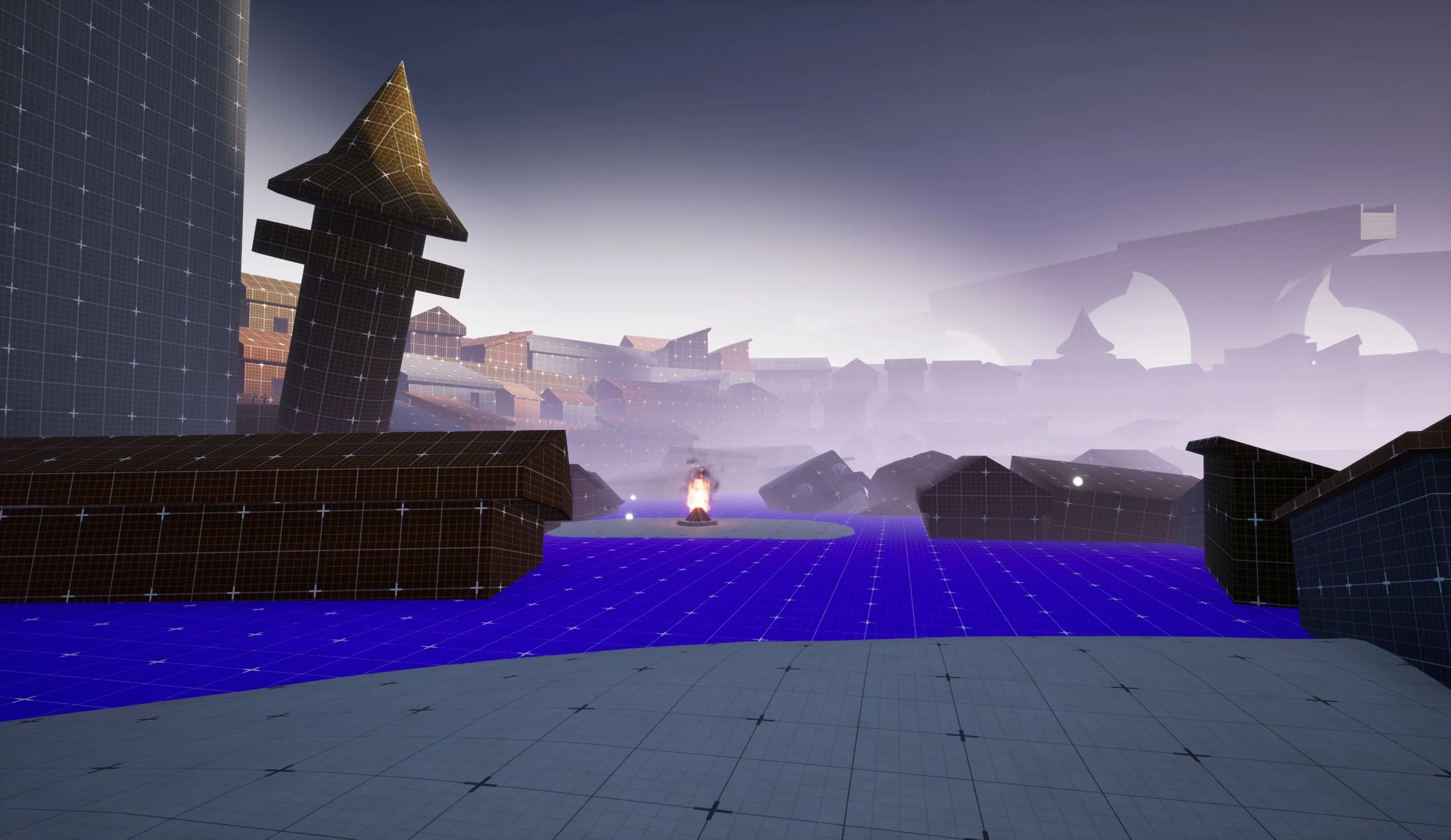
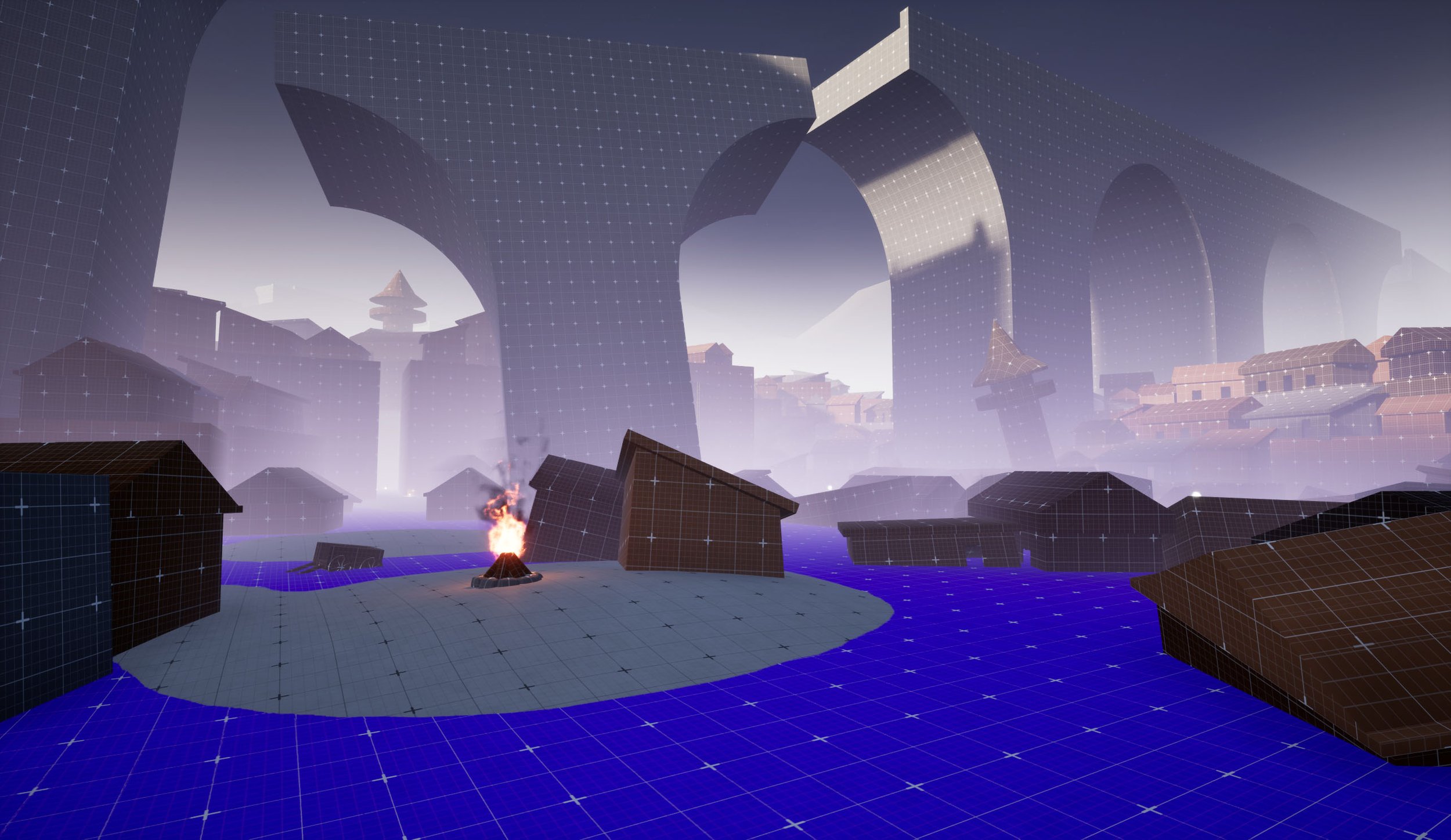
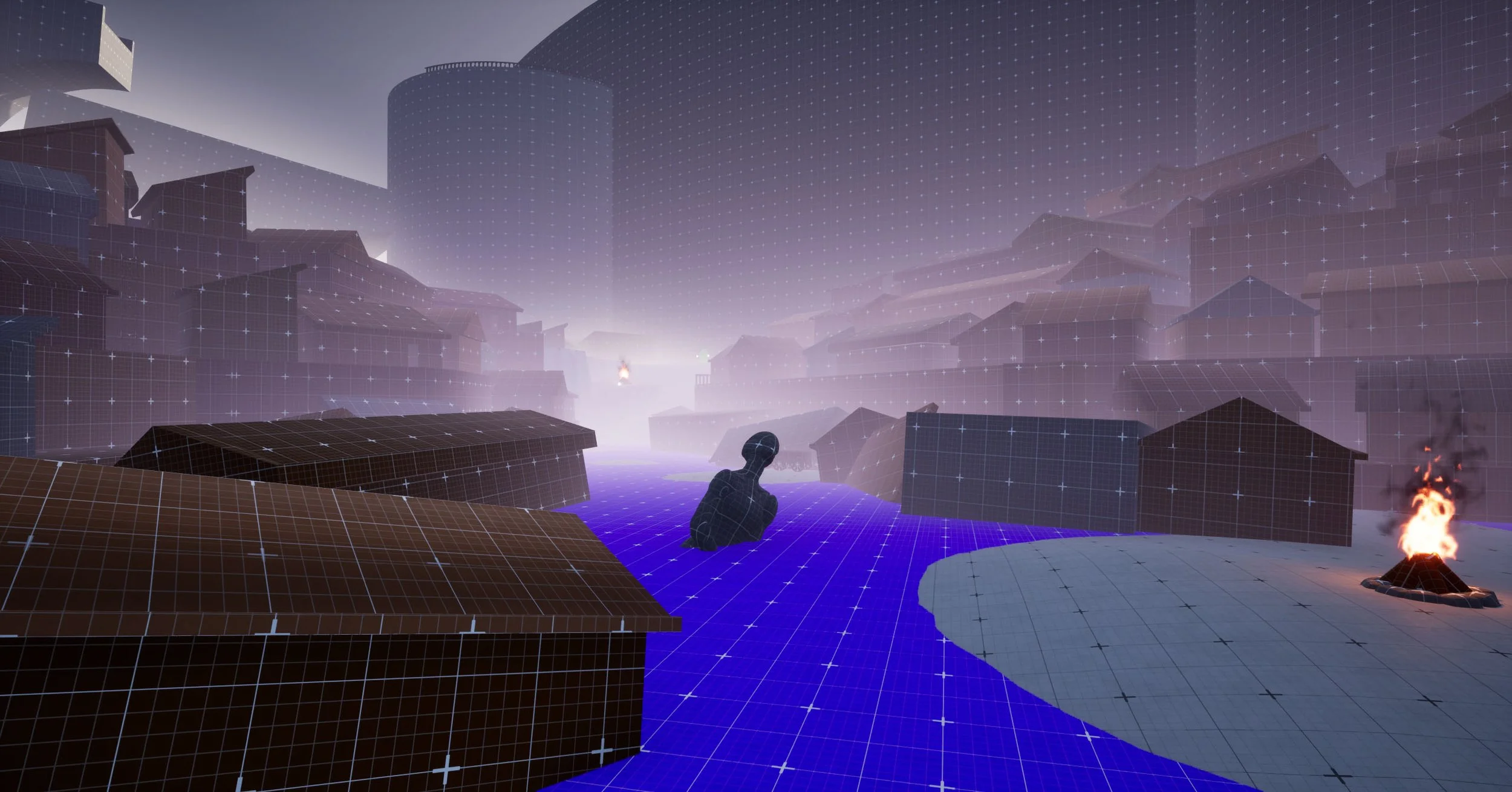
Area 2 - Swamp
Poison Hazard
Widespread poison creates sustained pressure, forcing players to choose between rushing through and managing health or moving carefully to avoid buildupWide-Open Layout
Multiple traversable routes create an open layout, encouraging exploration and varied approachesAffordances
Large fires serve as affordances to guide the player along the critical pathEnvironmental Storytelling
The swamp reads as a collapsed section of the Hollow Village, reinforcing world cohesion
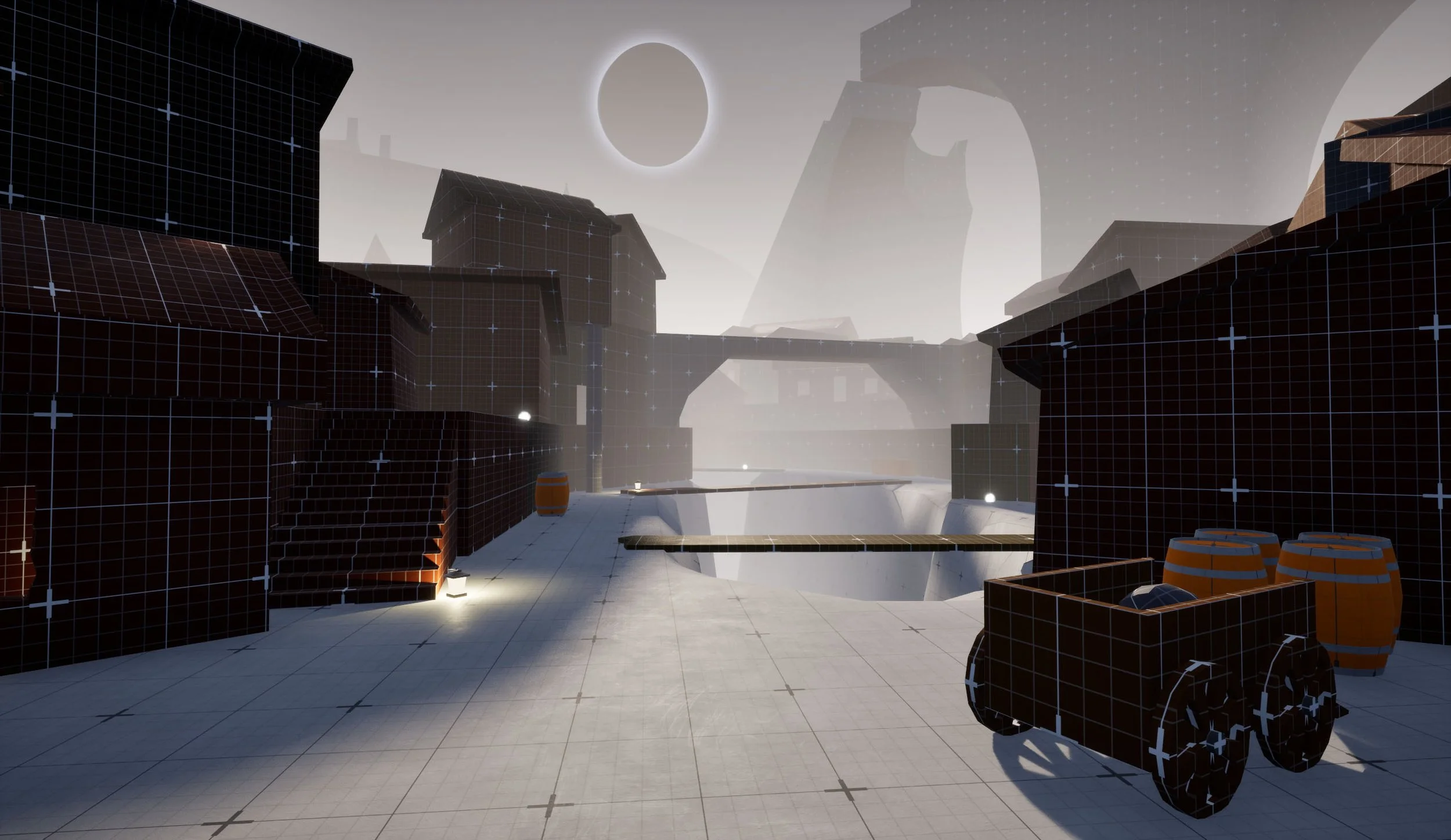
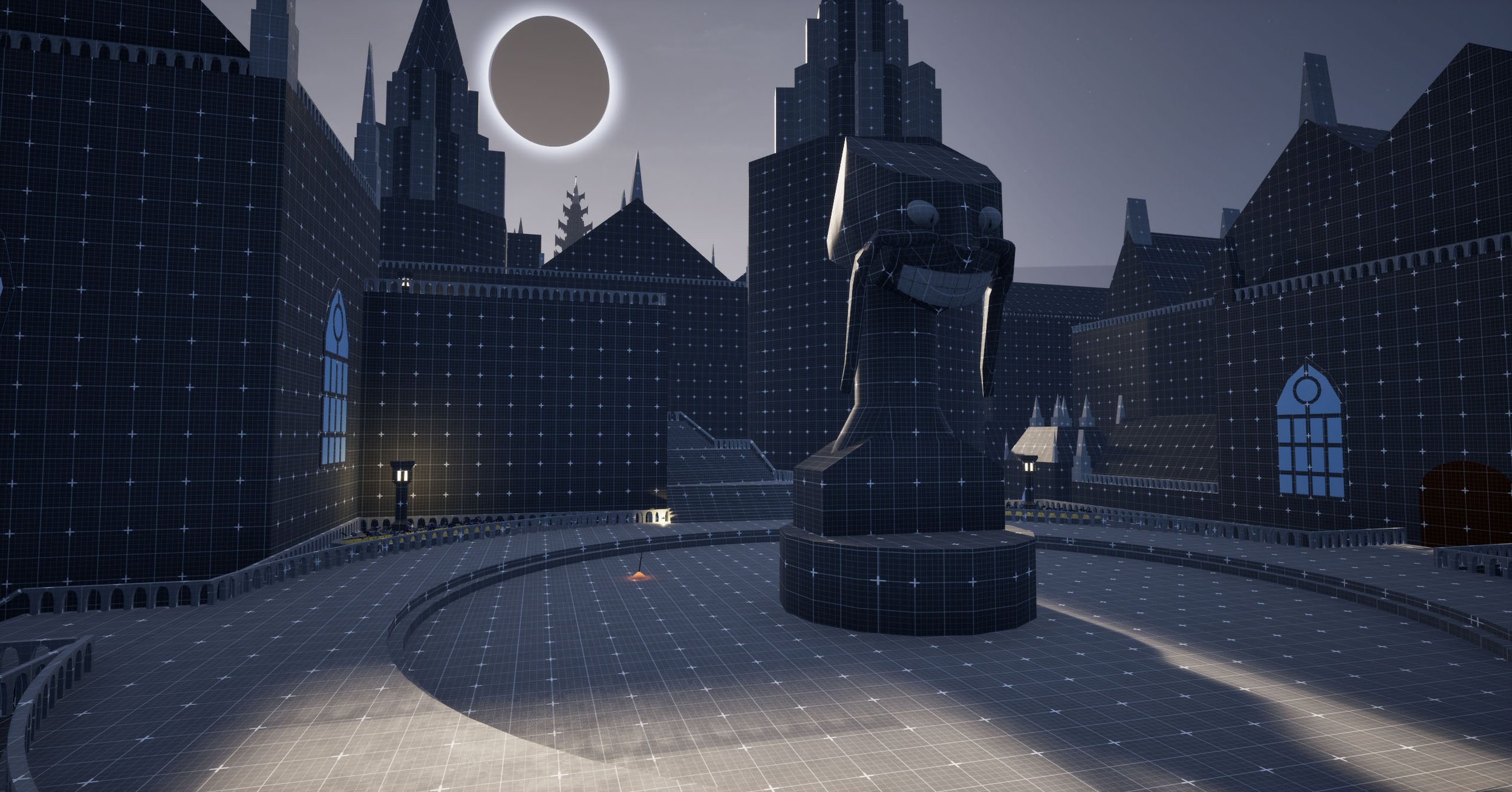
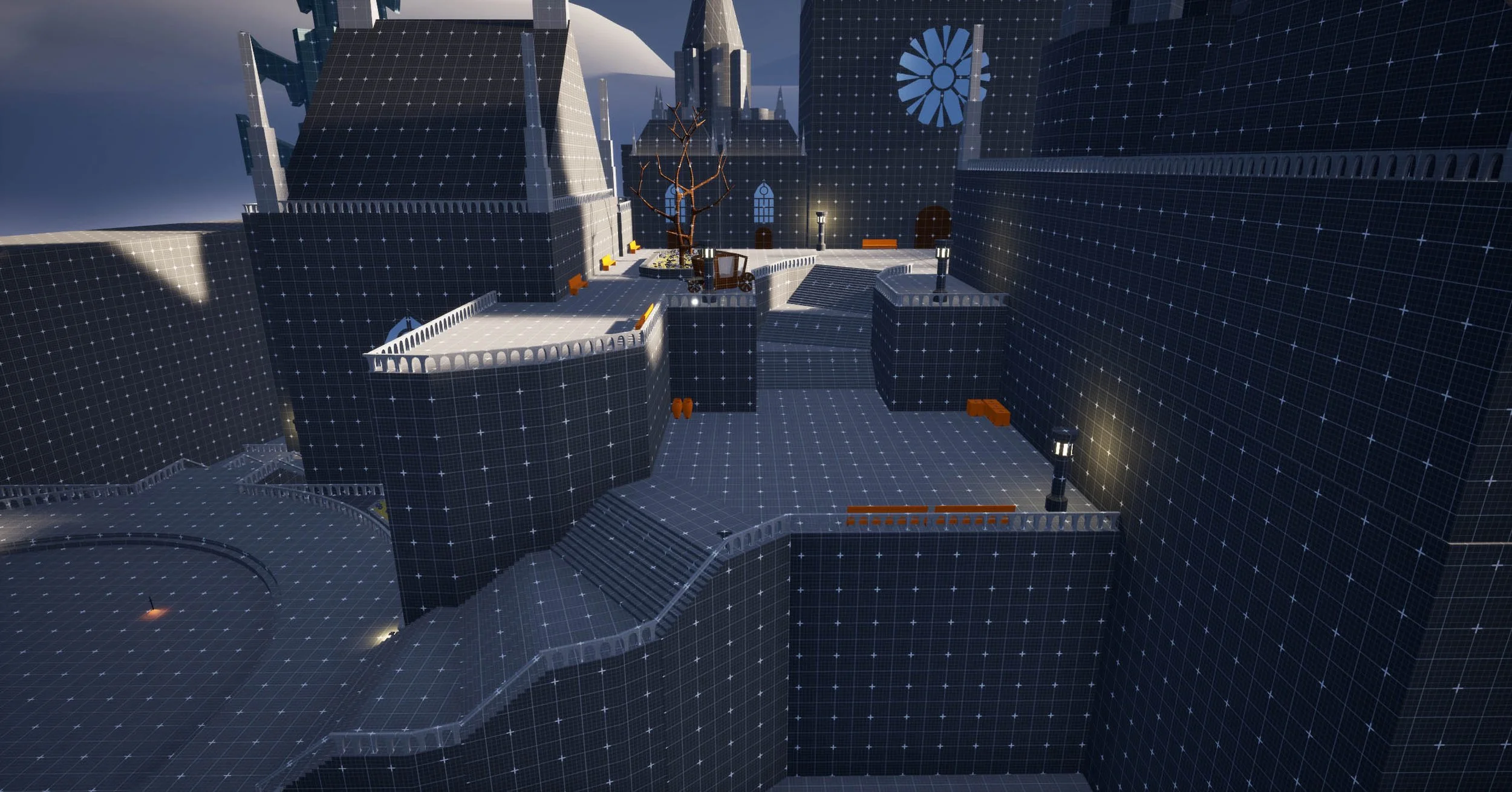
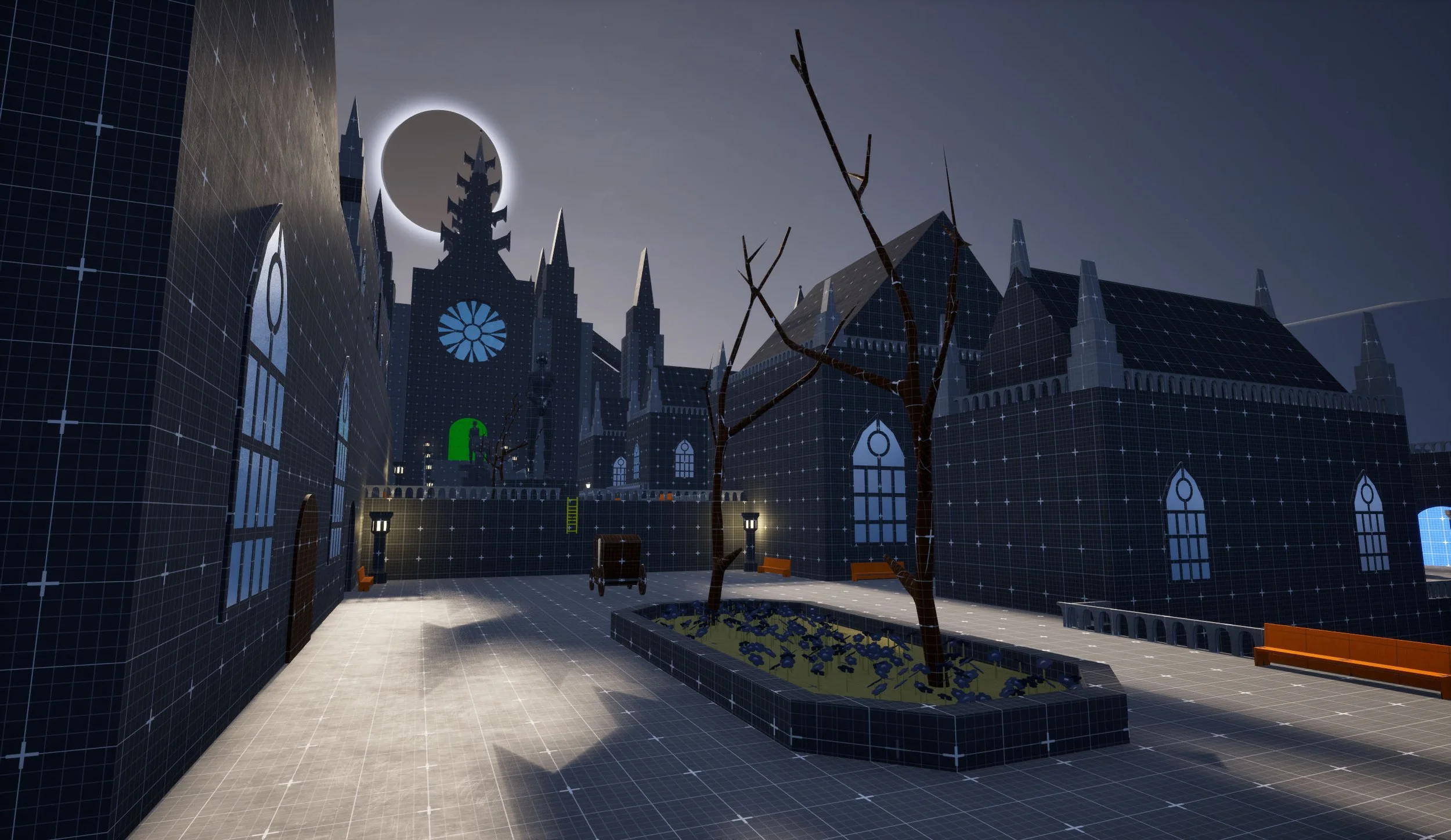
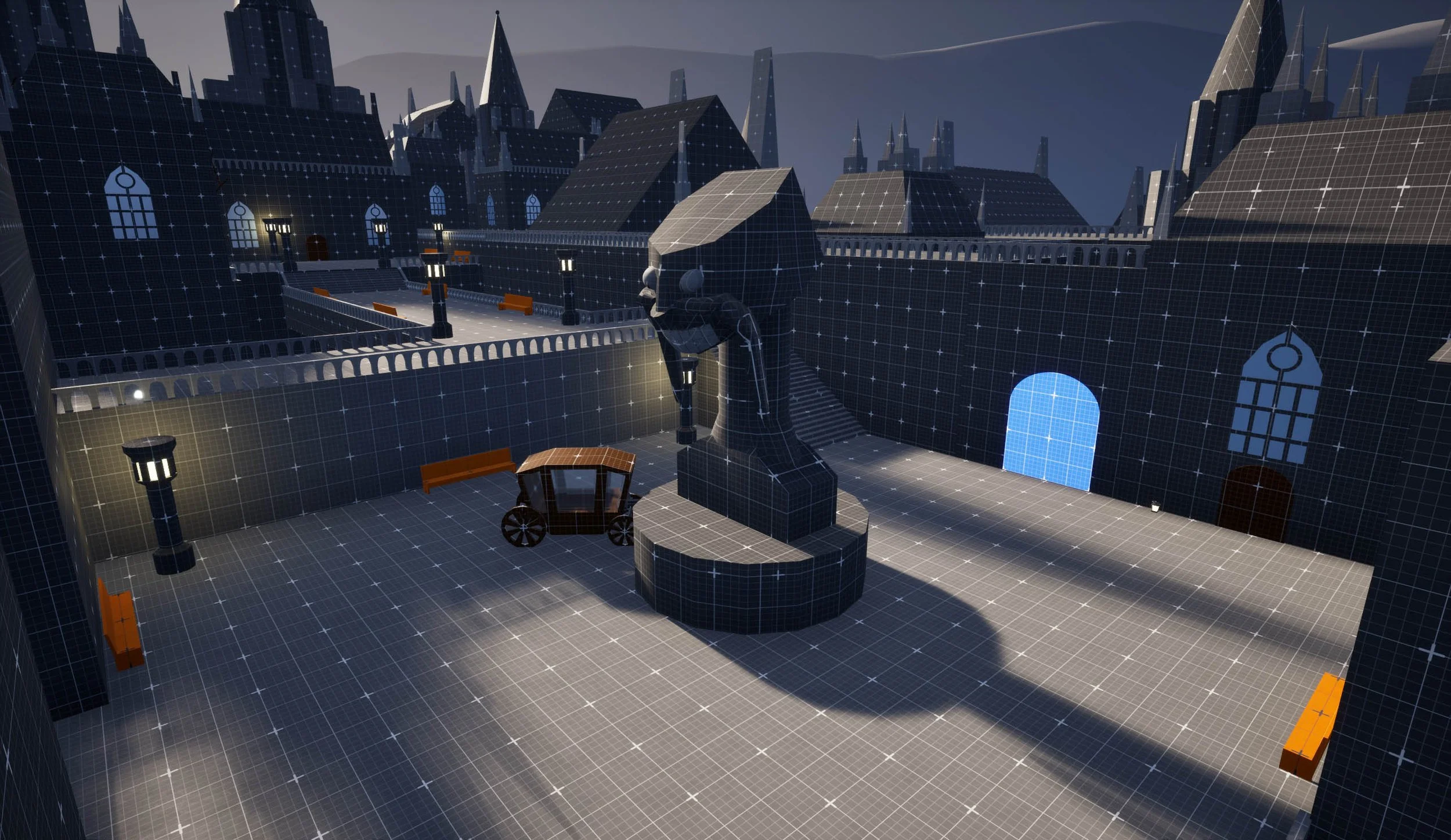
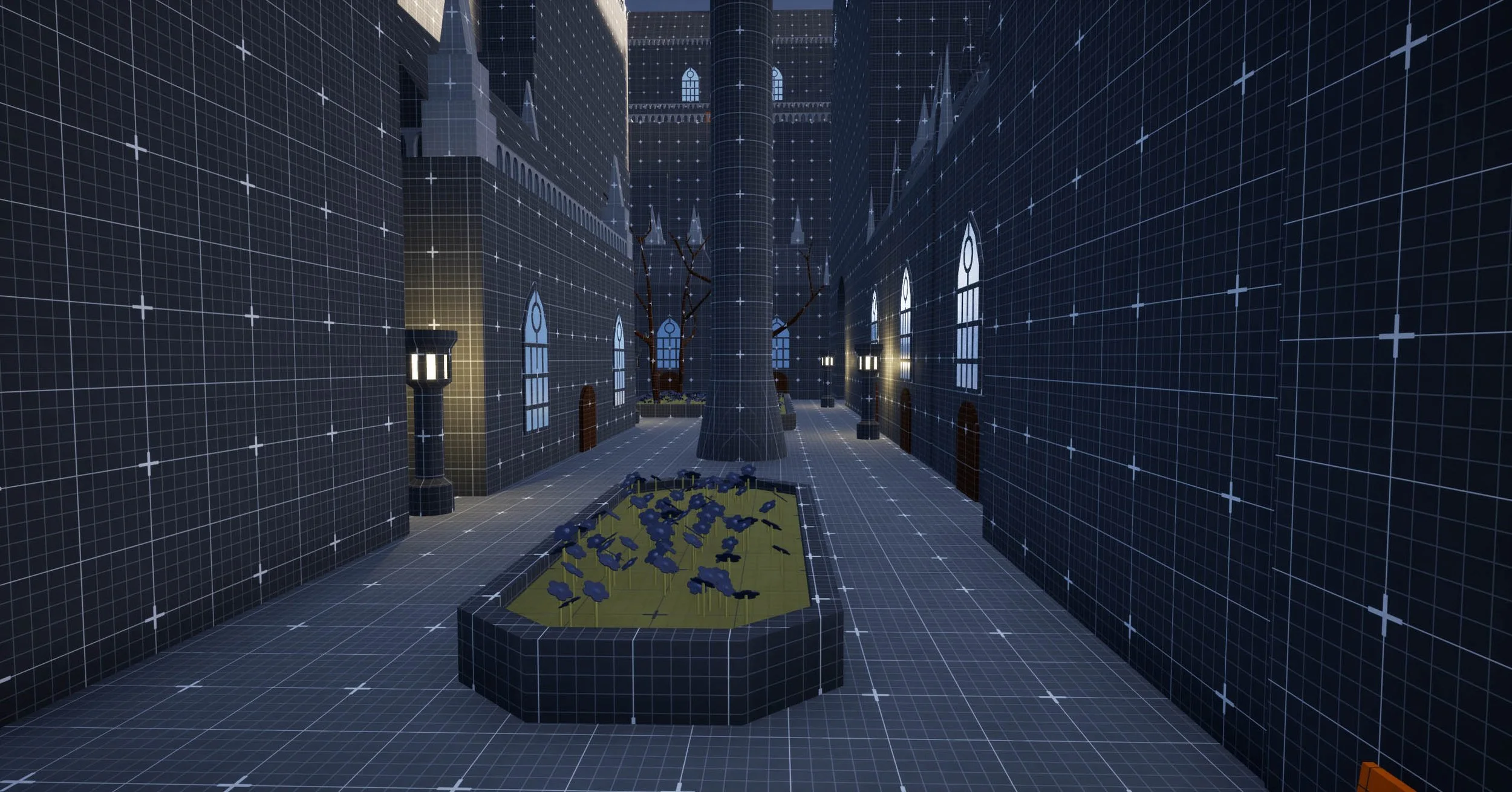
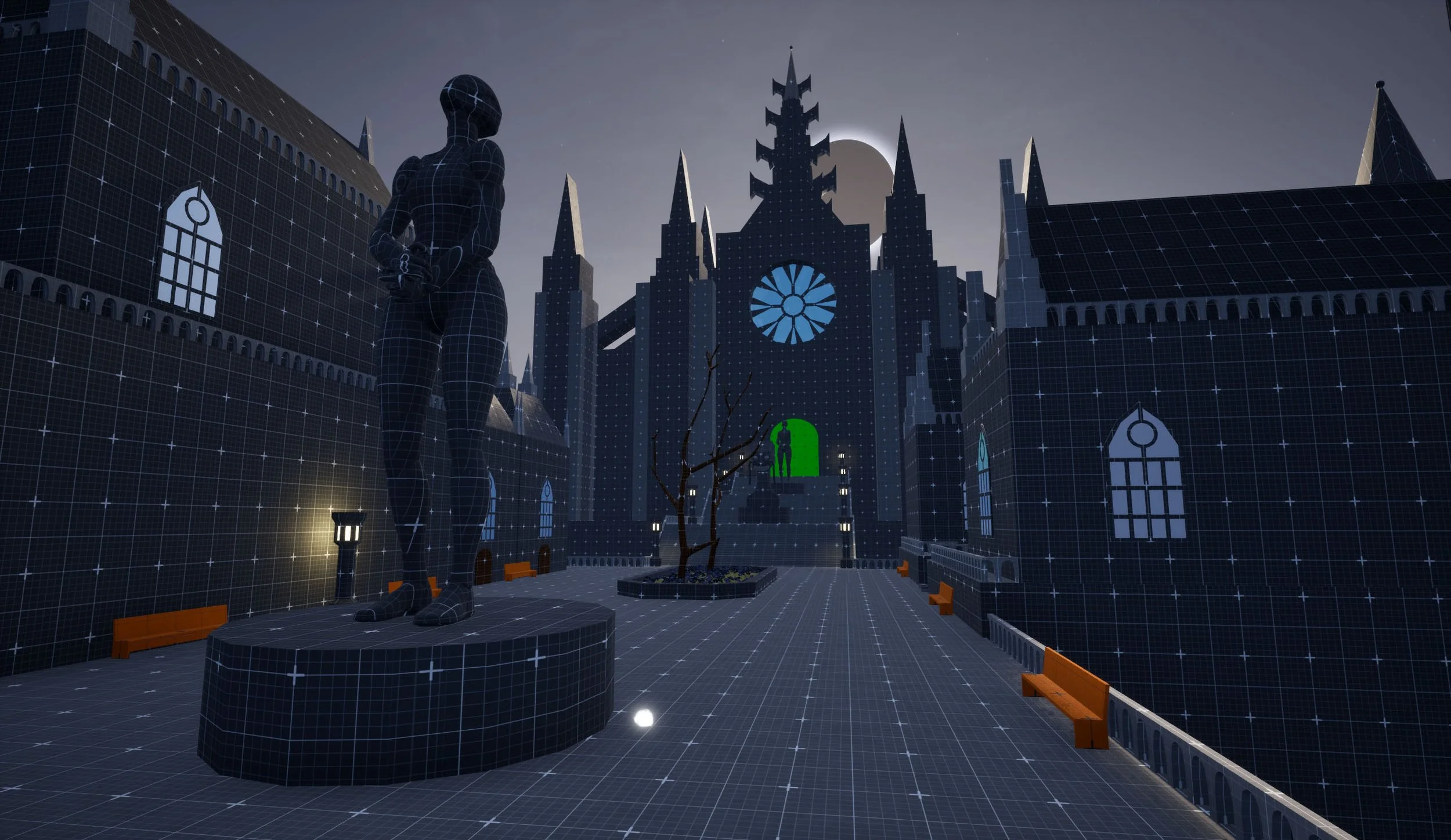
Area 3 - Londor City
Overlook
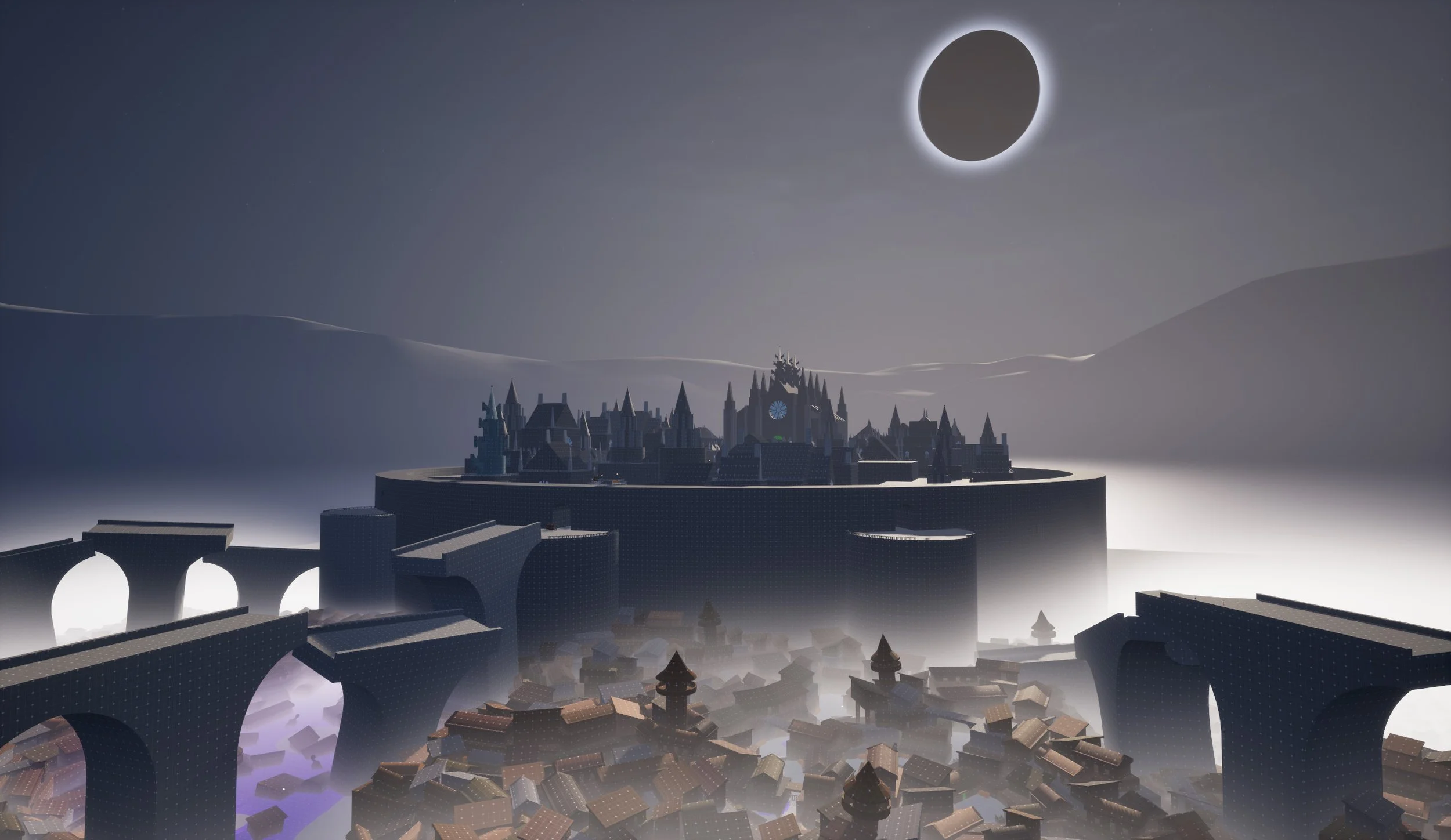
An overlook frames the level’s start, giving the player a clear sense of their progressFigure-Eights
Negative-space figure-eights allow for player agency and dynamic combat encountersUnlockable Ladder Shortcut
A ladder shortcut connects the end of the city to the beginning, providing a quicker route to the boss if the player diesSecret Ending
A branching path leads to an NPC who can trigger an alternate ending, rewarding thorough explorationBoss Encounter
The level culminates in a boss fight against Liliane, previously referenced by NPCs
Blueprints
View the rest of the custom gameplay pack and supporting Blueprints created for this level below.
Enemy Spawner (Actor Blueprint)
Features
Spawns enemies at a designated target point in the level
Moving the target point automatically updates the spawn location, allowing for rapid iteration.
Player Combat - Actor Blueprint Component
Features
Sword traces for melee attacks
Enemy lock-on system
Spell casting mechanics
Enemy - Character Blueprint
Features
Sword traces for melee combat
Enemy AI behavior
Implemented animations
Spell casting for ranged enemies
Multiple animations and bleed buildup for strong enemies
Enemy health bar that updates in real time
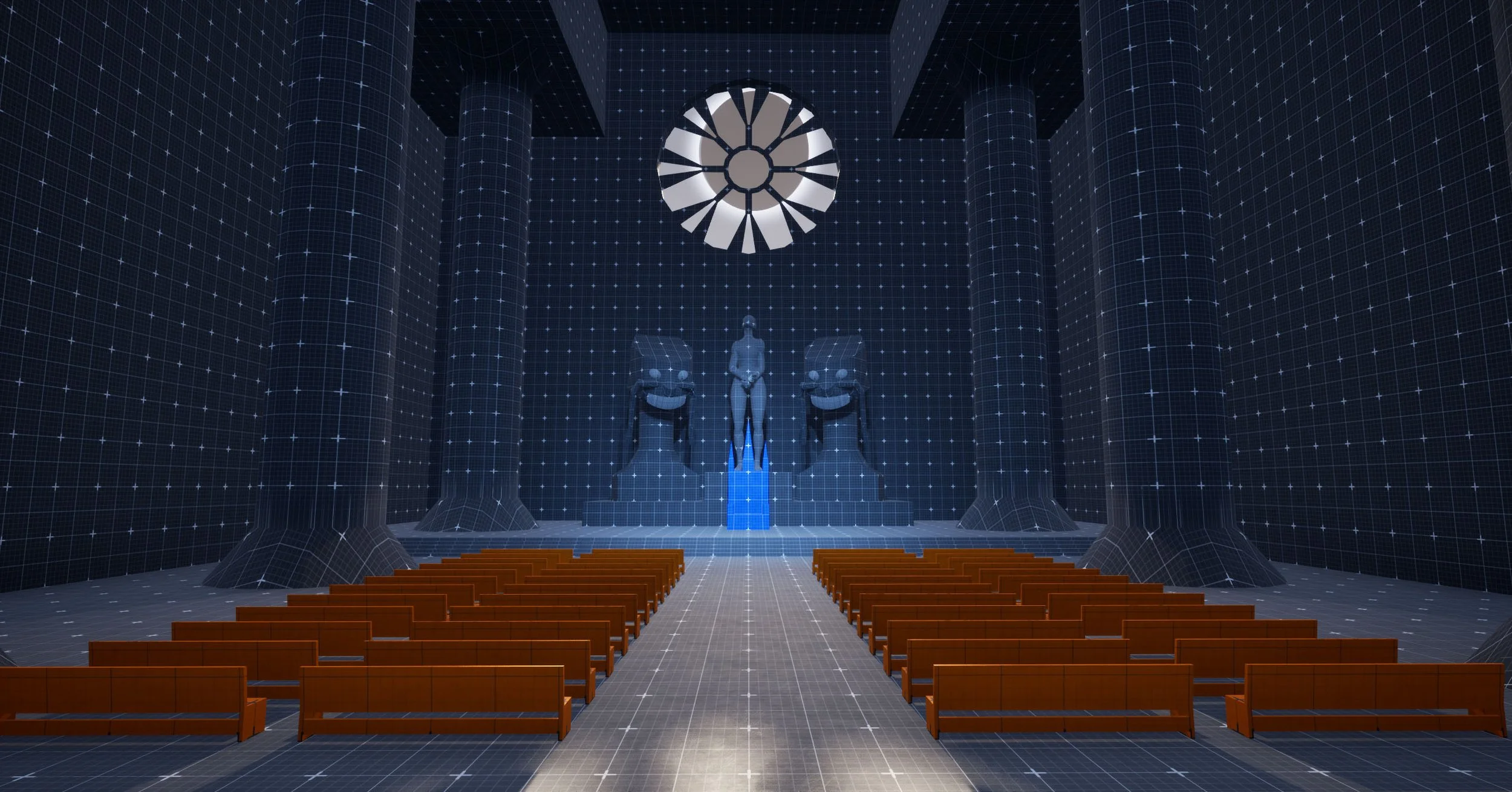
Design Process
My goal for this level was to design and block out a DLC area for Dark Souls III set in the Londor story location, while also developing a gameplay pack to support it. I began by creating a Miro board to document the level's flow and collect both external and in-game references to establish its setting and narrative direction. When designing the initial top-down map, I drew on Dark Souls III’s design pillars and existing levels to shape the spaces, ranging from winding streets to open swamplands.
Initial Layout
Reference Board
Londor is an established but unseen location in Dark Souls III, described as a highly religious land with Gothic-influenced architecture. My references focus on Gothic design as well as existing Dark Souls III areas (like the Undead Settlement and the various swamplands in the game) to create varied environments within the level.
Metrics
After creating my map and Miro board, my next step was to finalize the metrics for my level, such as door, wall, and stair dimensions. To do this, I created a metrics gym to help establish the measurements I would be using.
Some metrics include:
Player walk/jog speed - 4.2 m/s
Player run speed - 6.5 m/s
Small doorway - 2.1 m tall x 1.2 m wide
Medium doorway - 2.8 m tall x 2.2 m wide
Large doorway - 5.6 m tall x 4.4 m wide
Small wall height - 3 m
Medium wall height - 7.5 m
Giant wall height - 18 m
Stair dimensions - 0.2 m tall x 0.3 m deep
Max distance the player can run through swamp water before getting poisoned - 56 m
Iterations
Improving early level flow
Old
Long, flat bridge led to a lack of gameplay variety
Sudden 90° turn into an elevator felt unintuitive and was easy to miss, hurting navigation clarity
Large looping progression disrupted pacing and made the level feel less cohesive
New
The bridge run is shorter and includes more varied gameplay
An NPC interaction occurs at the beginning of the bridge to introduce the narrative
Broken bridge segments require the player to drop between sections, creating more engaging gameplay
Removed abrupt directional change in favor of more intuitive navigation
Level flow is more natural, with the player primarily progressing in the same direction through the space
Clarifying the Critical Path
Old
Exit view only framed the bonfire shortcut path, hiding the critical path and limiting player awareness
Ladder (critical path) was not immediately visible, making progression unclear
Required players to turn around and re-enter the building, relying on backtracking for discovery
Key progression element was easily missed due to lack of visual guidance and poor spatial communication
New
Exit view now reveals both the ladder and shortcut path, improving clarity of available routes
Placed an item inside the shortcut building to intentionally draw attention to that path
In Dark Souls III, visible items often signal optional paths, subtly suggesting that the ladder is the critical route
If the player takes the ladder first, they reach an overlook that reveals a previous area near the Hollow Village bonfire
A small walkway with an item draws the player toward the edge of the overlook
From this position, the player can directly see the Hollow Village bonfire
This reinforces the spatial connection of the level and hints that the alternate path will open the shortcut door the player saw earlier if it hasn’t already been accessed
Streamlined area transitions
Old
Transition area was a crypt with a bonfire and three enemy-filled rooms, which introduced a setting that didn’t logically connect to the surrounding areas
Repetitive room layouts led to predictable and less engaging gameplay
Setting did not logically align with its placement, weakening world cohesion
Relatively short length made the space feel underdeveloped and lacking purpose
New
Removed the crypt entirely to eliminate thematic inconsistency
Replaced with a short hallway to create a more direct transition
Simplified transition improves flow, pacing, and maintains forward momentum between areas
More grounded and context-appropriate connection strengthens overall level cohesion